
Fascia
Discover how fascia influences movement, posture, and pain relief for a healthier, more balanced body
Discover how fascia influences movement, posture, and pain relief for a healthier, more balanced body
Fascia is the body's connective tissue that runs continuously from our toes to the top of our heads, traveling around every muscle and bone, through every muscle and bone, holding groups of muscles together, encompassing every organ, blood vessel and nerve fibre.
When our fascial system isn't functioning optimally, it can manifest as tightness and pain, restricting our movement and causing an inability to maintain good posture. Fascial restrictions can also cause organ disfunction and impact our bodily systems, such as digestion.
Thomas Myer – Fascia 101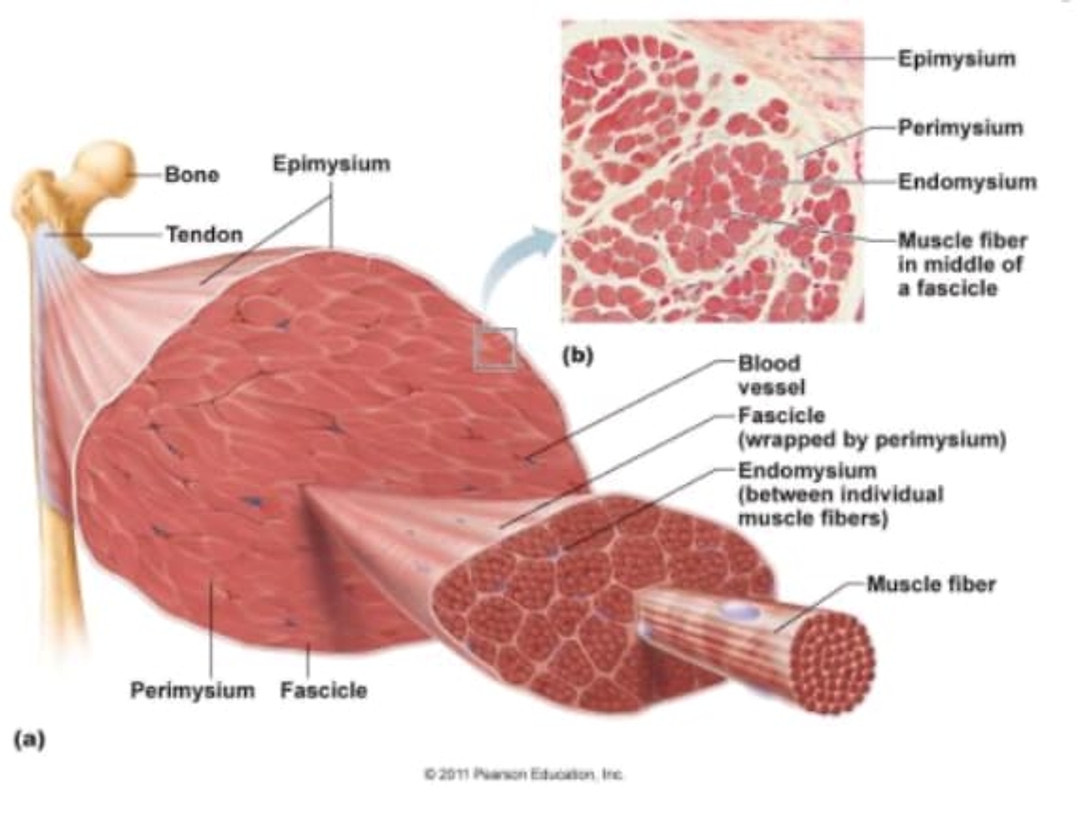
Understanding fascia is key to improving posture, relieving pain, enhancing movement, and optimizing overall well-being.
Fascia supports your body's structure, influencing posture, movement, and alignment for overall optimal functionality
Healthy fascia enables smooth movement, but tight fascia restricts flexibility and causes painful compensations
Chronic pain often comes from fascial adhesions, not muscle tightness. Releasing fascia targets the root cause
Fascia holds tension and emotions; releasing restrictions brings deep physical and emotional relief
Fascia comes in different forms for different purposes, the basic ingredients are collagen and ground substance. Collagen provides our body its structural mechanical properties for movement while the ground substance, a gel like substance, fills the gaps between the collogen and provides support, lubrication, moisture and nutrients. Our bodies are made of 60-65% water and the reason the water doesn't pool as a puddle on the ground is because our fascia organises the water and body tissue s into a structured network.
We use targeted techniques to release fascia, restore movement, and enhance overall body function
A hands-on technique that applies sustained pressure to restricted fascia, releasing tension and improving mobility
A comprehensive approach that realigns and balances the entire fascial system to restore natural movement patterns
Corrects postural imbalances by addressing fascial restrictions that contribute to misalignment
Guided exercises that retrain your body to move more efficiently, reducing strain on fascia and joints
When functioning optimally, our fascia will move, slide and glide during movement. Fascia will adapt to poor posture and dysfunctional movement and the longer the problems exist the fascia will shorten and tighten causing restrictions. Fascial restrictions can also occur from infection, trauma, inflammation or surgery which impact the freedom of movement of fascia resulting in tension points, pain and compensations of surrounding tissues. The body is excellent at creating compensation strategies to 'get by' when not working optimally, a fascial restriction in a region of the body like the ankle can result in a forced compensation and suboptimal movement in the surrounding structures such as the knee and hip. This maybe in the form of twisting, excessive movement or lack of movement in a region, abnormal weight transfer when walking or running, gripping with certain muscles – the strategies are endless.
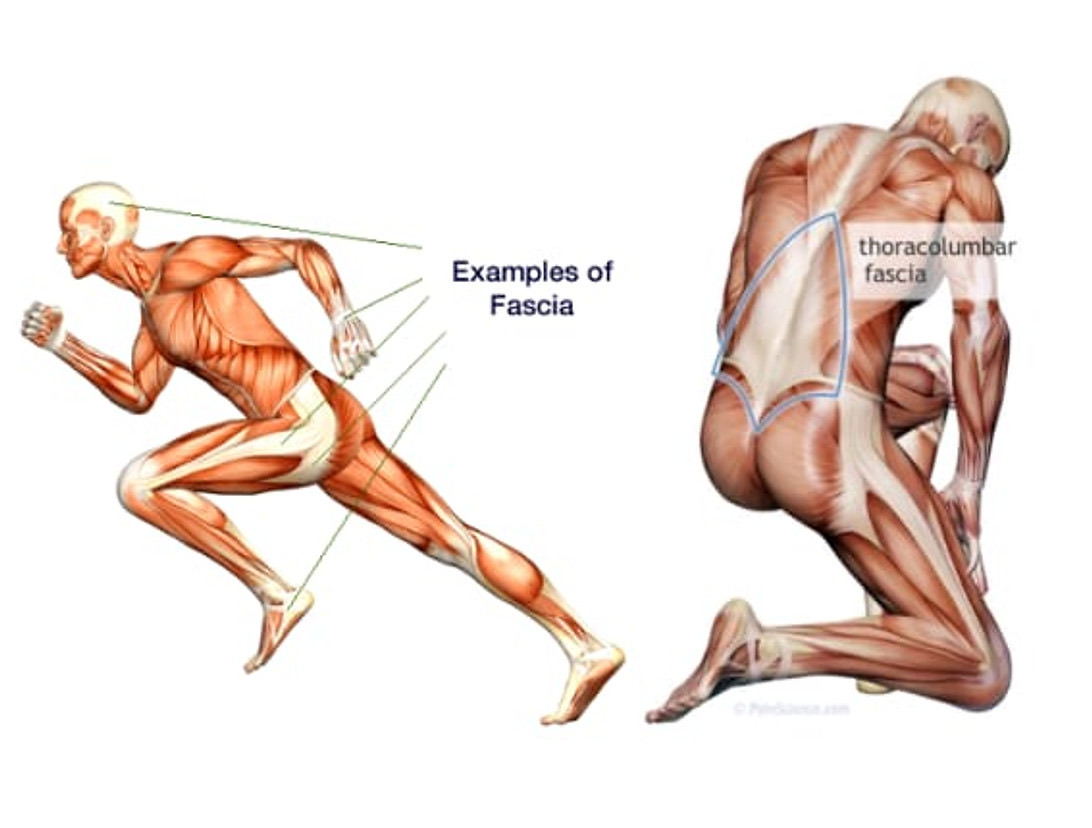
Fascia although seemingly random throughout the body is structured in lines that travel in certain directions.
Our practitioners work on moving the fascia along those lines in the appropriate directions to eliminate the restrictions and tightness associated to pain and the lack of or overly excessive movement in regions of the body.
Book a Session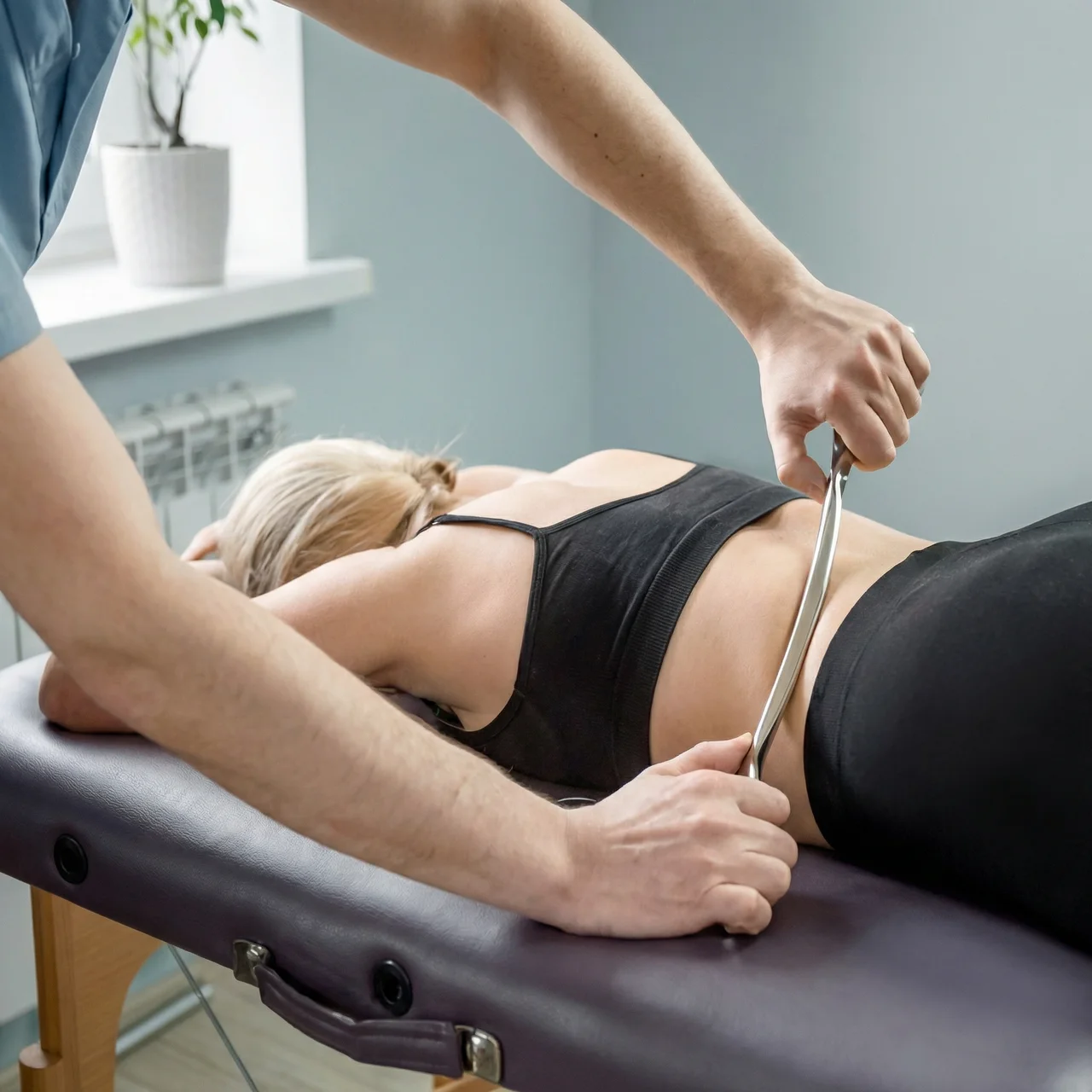
Are you ready to move with ease, reduce pain, and improve your posture? Book a session today and take the first step toward a healthier, more confident body
Book a Session